The Hidden Risks Inside Older Bergen County Homes
Many of the most charming homes throughout Bergen County, NJ were built decades ago, long before today's electrical codes and modern appliances existed. While these houses have plenty of character, the wiring behind the walls is often a different story. If your home was built before 1980, there's a strong chance its electrical system was never designed to handle the demands of modern living.
That's why an electrical safety inspection in Bergen County, NJ is one of the smartest investments a homeowner can make. At Hi Tech Electric, we regularly find aging components in older homes across Fort Lee, Palisades Park, Secaucus, and the wider North Jersey area that quietly increase the risk of fire, shock, and costly code violations.
Common Wiring Hazards in Pre-1980 Homes
Electrical systems don't last forever. Insulation breaks down, connections loosen, and older materials simply weren't built for the loads we put on them today. Here are the issues we see most often in older Bergen County properties.
1. Aluminum Wiring
Homes built or rewired in certain periods of the 1960s and 1970s frequently used aluminum wiring instead of copper. Aluminum expands and contracts more than copper as it heats and cools, which can loosen connections over time. Loose connections create heat, and heat at an electrical connection is a leading cause of house fires.
Aluminum wiring isn't necessarily something that has to be torn out completely, but it does need to be evaluated by a licensed electrician. Proper connectors and corrective measures can make the system far safer.
2. Outdated and Ungrounded Outlets
If you still have two-prong outlets, your home likely lacks proper grounding. Grounding protects you and your devices in the event of a fault. Older outlets also tend to wear out, leading to loose plugs, sparking, and intermittent power.
Modern safety standards call for:
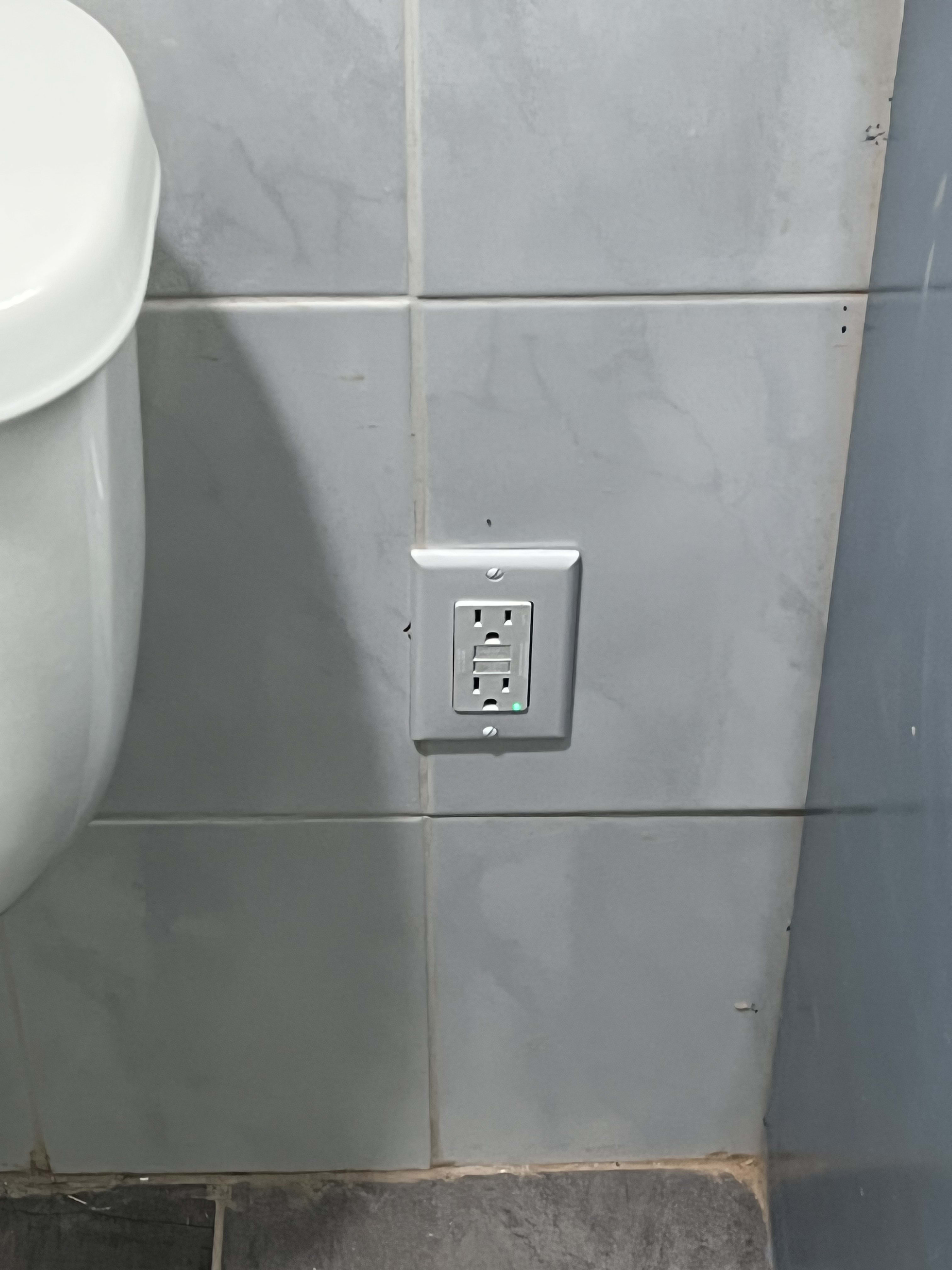
- GFCI outlets in kitchens, bathrooms, garages, and outdoor areas to prevent shock near water
- AFCI protection to guard against arc faults that can ignite fires
- Grounded three-prong outlets throughout living spaces
3. Overloaded Electrical Panels
A home built before 1980 may have a panel rated for far less power than a modern household needs. Add central air, electric vehicle chargers, multiple large appliances, and a home office full of electronics, and that old panel can become dangerously overloaded.
Some older panels are also known to be problematic and no longer considered safe by today's standards. An inspection helps determine whether an upgrade is needed before a problem develops.
4. Knob-and-Tube and Deteriorating Insulation
In the oldest homes, remnants of knob-and-tube wiring sometimes remain. This wiring has no ground and uses insulation that becomes brittle with age. When buried under modern attic insulation or modified by previous owners, it can become a serious hazard.
Why a Professional Inspection Matters
It's tempting to assume that if the lights turn on, everything is fine. Unfortunately, many electrical hazards are completely invisible until they cause a fire or a failure. A professional electrical safety inspection goes beyond surface appearances to evaluate the true condition of your system.
During an inspection, a licensed electrician will typically check:
- The condition and capacity of your electrical panel
- Wiring type, age, and integrity throughout the home
- Outlet and switch grounding and function
- Presence of GFCI and AFCI protection where required
- Signs of overheating, scorching, or improper past repairs
- Compliance with current electrical code
This is especially valuable for anyone buying or selling a home. Identifying issues early gives you the chance to address them on your terms rather than scrambling to fix code violations under pressure.
The Safety and Code Benefits for North Jersey Homeowners
An inspection isn't just about avoiding worst-case scenarios. It also brings real, everyday benefits:
- Fire prevention. Faulty wiring is a major cause of residential fires, and many of these risks are preventable.
- Code compliance. Bringing your system up to current standards helps avoid violations and protects your investment.
- Peace of mind. Knowing your wiring is sound lets you use your home with confidence.
- Future readiness. A safe, properly sized system supports modern appliances, EV charging, and growing electrical demands.
Across communities like Fort Lee, Palisades Park, and Secaucus, the housing stock includes many homes that predate today's electrical requirements. That makes regular evaluation especially important for homeowners throughout Bergen County and North Jersey.
How Often Should You Schedule an Inspection?
For older homes, a good rule of thumb is to schedule an electrical safety inspection if any of the following apply:
- Your home is more than 40 years old and hasn't been inspected recently
- You're buying or selling the property
- You notice flickering lights, warm outlets, or frequent breaker trips
- You're planning a renovation or adding major appliances
- You've never had the wiring professionally evaluated
If you experience any signs of trouble, don't wait. Burning smells, buzzing sounds, or discolored outlets are all reasons to call an electrician right away.
Protect Your Home with Hi Tech Electric
Older homes deserve modern safety. If your Bergen County, NJ home was built before 1980, a professional inspection can reveal hidden hazards and help you protect your family, your property, and your peace of mind. Hi Tech Electric proudly serves homeowners in Fort Lee, Palisades Park, Secaucus, and throughout North Jersey with honest, code-focused electrical work.
If you'd like to schedule an electrical safety inspection in Bergen County, NJ or simply have questions about your home's wiring, reach out to Hi Tech Electric today. We're happy to help you understand your system and keep your home safe for years to come.